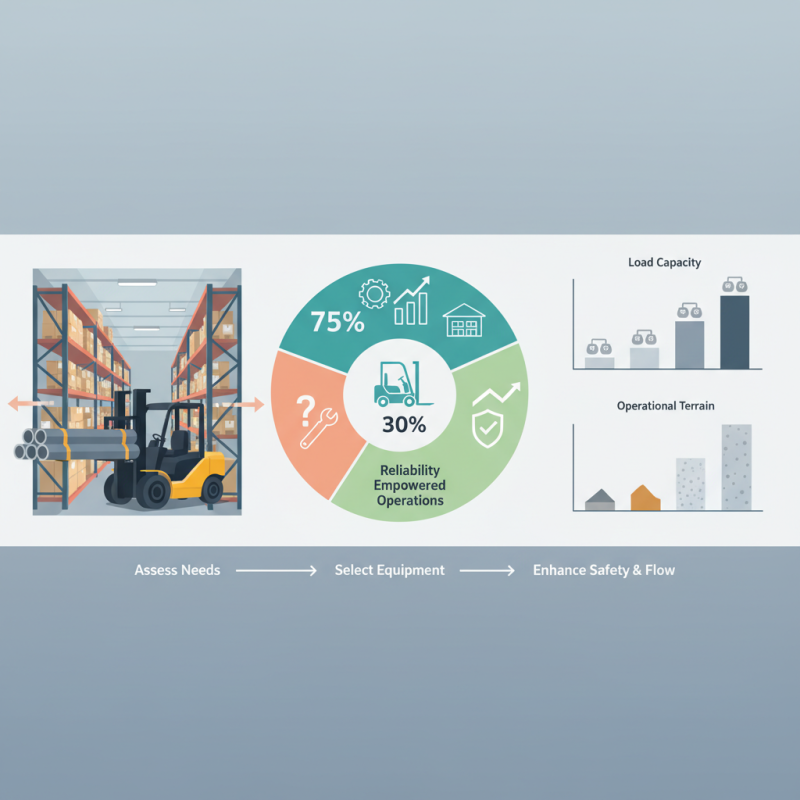
In the fast-paced landscape of material handling, choosing the right equipment is crucial. Side Load Forklifts have emerged as a vital solution for warehouses and manufacturing facilities that manage long and bulky loads. According to a recent industry report from Material Handling Industry (MHI), approximately 75% of companies experience efficiency gains when utilizing specialized forklifts such as side loaders. The design of these machines allows for optimal maneuverability in confined spaces, making them ideal in busy environments.
Despite their benefits, not all side load forklifts are created equal. Companies must evaluate factors like load capacity and operational terrain. Research shows that around 30% of businesses report challenges in aligning their forklift choice with operational needs. Consequently, understanding the unique specifications of different models becomes essential for making informed decisions. Reliability in purchasing is paramount, as fluctuations in performance can lead to increased operational costs.
Ultimately, material handling efficiency hinges on selecting the appropriate side load forklift. With a vast array of options available, companies should conduct thorough assessments to empower their operations. The right equipment not only streamlines workflows but also enhances safety for operators. In a world where every detail counts, making the right choice can significantly alter business outcomes.
Types of Side Load Forklifts and Their Unique Features
When selecting side load forklifts, it’s essential to understand the diverse types available. These forklifts are designed primarily for narrow aisles. They excel in handling long loads, making them perfect for industries like timber and steel. A common variant is the double-reach forklift. It can extend its forks to access loads stored deeper in racks. This feature maximizes space efficiency but requires skilled operators for safe handling.
Another notable type is the electric side loader. It is quieter and more eco-friendly, suitable for indoor use. Electric side loaders often come with advanced ergonomic features, offering a comfortable ride. However, they may require more frequent charging, which can disrupt workflow. Users must weigh the pros against the potential interruptions.
Specialized side loaders also exist. These models are built for specific industries, such as the beverage or construction sectors. They can be customized with attachments for unique applications. Interestingly, while these machines offer great advantages, they can also pose challenges in maintenance and repair. Regular inspections are critical to ensure operational efficiency. Understanding these features helps users make informed decisions while navigating their unique needs.
Best Side Load Forklift Options for Efficient Material Handling
| Forklift Type |
Load Capacity (lbs) |
Lift Height (in) |
Power Source |
Turning Radius (in) |
Key Features |
| Electric Side Loader |
4,000 |
100 |
Electric |
75 |
Quiet operation, low maintenance |
| Diesel Side Loader |
8,000 |
150 |
Diesel |
90 |
High power, rugged build |
| Gas Side Loader |
6,000 |
120 |
Gasoline |
80 |
Versatile, good fuel efficiency |
| Heavy Duty Side Loader |
12,000 |
180 |
Electric/Diesel |
100 |
Suitable for heavy loads, robust design |
Key Benefits of Using Side Load Forklifts in Material Handling
Side load forklifts are increasingly recognized for their efficiency in material handling, especially in tight spaces. These vehicles excel in transporting long or bulky items across warehouses and production facilities.
According to a report by the Material Handling Industry Association, side load forklifts can increase loading and unloading efficiency by up to 30% compared to conventional forklifts.
One significant benefit is their unique design, allowing operators to stack materials sideways. This feature not only minimizes space usage but also enhances visibility for operators.
Enhanced visibility reduces accidents during operation.
A study from the Occupational Safety and Health Administration noted that improved visibility can lead to a 25% decrease in workplace incidents involving forklifts.
Side load forklifts also contribute to operational flexibility. They can maneuver easily in narrow aisles, allowing for better use of available space. According to industry experts, facilities that implement side load forklifts can achieve up to 15% more storage density.
However, operators require adequate training to navigate these machines safely and effectively. Investing time and resources into operator education mitigates potential risks associated with their distinctive operation methods.
Factors to Consider When Choosing a Side Load Forklift
When selecting a side load forklift, various factors come into play. One significant aspect is the load capacity. Understand the weight of the materials you'll handle. Choose a forklift that meets or exceeds this requirement. This can prevent accidents and enhance operational efficiency.
Maneuverability is also crucial. Side load forklifts excel in tight spaces. However, not all models are the same. Test the turning radius in your actual workspace. Consider the height of your storage racks. A fork that cannot reach your shelves wastes time and resources. Evaluate ease of operation as well. Training staff on a complex model can be challenging. The right forklift should simplify tasks, not complicate them.
Also, assess the maintenance needs of the equipment. Some forklifts might require frequent servicing, leading to downtime. Analyze the availability of parts and service technicians in your area. Reliable support can make a significant difference. While every forklift has its pros and cons, thorough research helps avoid costly mistakes. Invest time to find the best fit for your operations.
Top Brands Offering Side Load Forklifts and Their Models
When it comes to side load forklifts, various brands offer unique models tailored for efficient material handling. These machines are designed for narrow aisles, making them ideal for warehouses with limited space. According to industry reports, side load forklifts can increase warehouse efficiency by up to 25%. This efficiency is vital in today's fast-paced supply chains.
Several leading manufacturers have established themselves in the market. They provide different models that cater to diverse material handling needs. For instance, some models focus on lifting heavier loads, while others excel in maneuverability. Data indicates that these forklifts can lift loads from 3,000 to over 10,000 pounds. Additionally, advancements in technology have improved safety features, reducing the risk of accidents.
However, users must choose the right model based on their specific operational needs. Considering aspects like lift height, load capacity, and aisle width is crucial. Many operators may overlook these details, leading to performance issues. A well-informed choice can enhance productivity and reduce operational costs. Using side load forklifts effectively can significantly optimize the entire material handling process.
Best Side Load Forklift Options for Efficient Material Handling
Maintenance Tips for Optimal Performance of Side Load Forklifts
When it comes to side load forklifts, maintenance is crucial for optimal performance. A report from the Industrial Truck Association highlights that proper maintenance can enhance the lifespan of forklifts by up to 30%. Regularly checking hydraulic fluid levels is essential. Low fluid can lead to inefficient operation and increased wear on components. Operators should inspect seals and hoses frequently. Small leaks can escalate into significant issues if not addressed promptly.
Tire condition also plays a vital role in performance. Worn tires reduce traction and can lead to accidents. The Occupational Safety and Health Administration (OSHA) recommends daily visual inspections of tires. Ensure they are properly inflated, as improper pressure can impair handling capabilities. Additionally, regular servicing should include examining the mast and forks for any signs of damage. Forks heavy with wear can compromise loads and lead to unsafe working conditions.
Cleaning is often overlooked but important. Dust and debris can cause overheating and other mechanical failures. Operators should maintain cleanliness around radiators and engine components. This routine can aid in efficient air circulation. A study by the Bureau of Labor Statistics indicates that improper maintenance contributes to 12% of forklift-related accidents. Thus, consistent upkeep not only prolongs equipment life but also ensures workplace safety.
FAQS
: Side load forklifts are designed for efficient material handling in narrow aisles.
They can enhance warehouse efficiency by up to 25%.
Users need to consider lift height, load capacity, and aisle width.
Proper maintenance can enhance the lifespan by up to 30%.
Regularly checking hydraulic fluid levels is essential for efficient operation.
Worn tires can reduce traction and lead to accidents.
Daily visual inspections of tires are recommended for safety.
Dust and debris can lead to overheating and other mechanical failures.
Keeping components clean aids in efficient air circulation and prevents overheating.
Improper maintenance contributes to 12% of forklift-related accidents.
Conclusion
The article "Best Side Load Forklift Options for Efficient Material Handling" provides an in-depth exploration of side load forklifts, highlighting their unique features and advantages in material handling tasks. It discusses various types of side load forklifts, emphasizing their specialized design for maneuvering in narrow aisles and handling long loads. The key benefits of these forklifts include improved efficiency, enhanced safety, and versatility in diverse work environments.
When selecting a side load forklift, factors such as load capacity, lift height, and operational environment should be carefully considered. The article also outlines essential maintenance tips to ensure optimal performance, thereby extending the lifespan of the equipment. In summary, side load forklifts are invaluable tools that can significantly enhance productivity and efficiency in material handling operations.
 Wings
Wings
