
Wings Wings

10 Boom Forklift Buying Tips for Global Buyers

Time:2026-09-06 Author:Isabella
0%

Buying a Boom Forklift across borders is not simply a matter of comparing prices. The machine must fit the worksite, load profile, terrain, climate, and service network. A model that performs well on a flat warehouse floor may struggle on uneven construction ground. Small specification differences can create large operating costs.

“Choose the machine for the hardest routine task, not the easiest demonstration,” says Daniel Mercer, an independent telehandler and material-handling consultant with more than two decades of field experience. His point deserves attention. Buyers often focus on maximum lifting height, while overlooking capacity at full reach. That mistake can affect stability, productivity, and operator confidence.

This guide presents ten practical Boom Forklift buying tips for global buyers. It examines rated capacity, forward reach, attachment compatibility, tire selection, ground clearance, visibility, control systems, and maintenance access. It also considers shipping dimensions, local parts availability, technician training, and long-term ownership costs. These details matter in remote projects.

Think beyond the brochure. Ask for load charts. Request real operating videos. Inspect the hydraulic system, boom wear points, tires, and safety alarms. Confirm how the machine performs in heat, dust, rain, or cold storage yards. A low purchase price may hide expensive downtime.

Some decisions remain imperfect. No checklist can predict every site condition. Still, careful questioning reduces avoidable risk. The best Boom Forklift is not always the largest or cheapest model. It is the one that safely performs daily tasks, receives dependable support, and remains productive years after delivery.
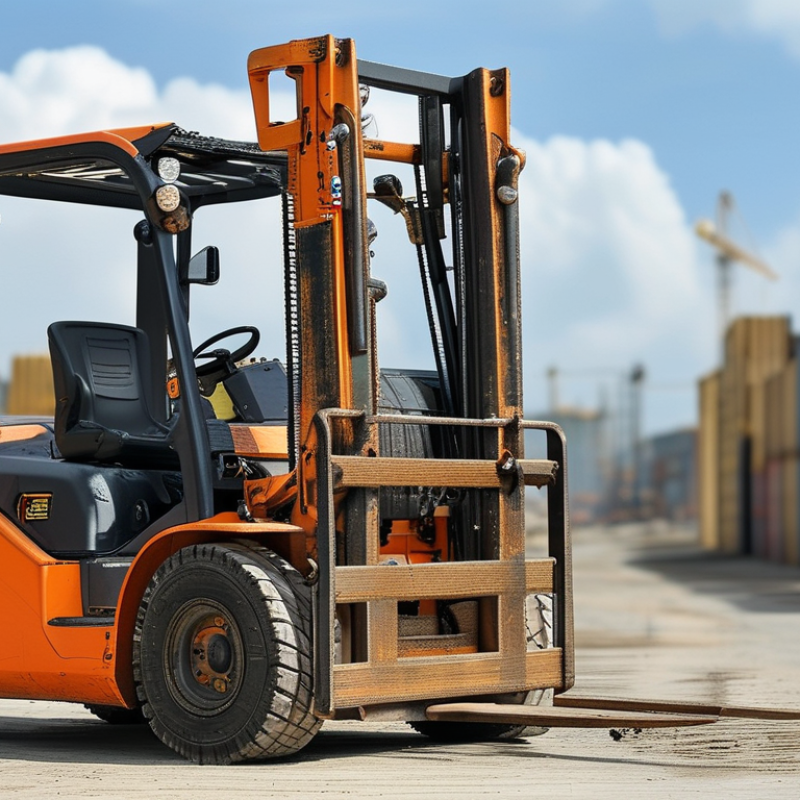
10 Boom Forklift Buying Tips for Global Buyers

Understanding Boom Forklift Types and Their Global Applications

10 Boom Forklift Buying Tips for Global Buyers

Understanding Boom Forklift Types and Their Global Applications

Boom forklifts, often called telehandlers, differ by reach, lift height, and attachment compatibility. Fixed-boom models suit farms, warehouses, and construction sites with repeatable lifting paths. Rotating models improve placement on uneven sites, especially where repositioning equipment is difficult. Compact units work better in narrow yards and low-clearance facilities. Choose the machine around the load chart, not the advertised maximum height.

Global Market Insights estimates that the telehandler market will exceed USD 8 billion by 2032, supported by construction and agriculture demand. Fortune Business Insights reported a global telehandler market value of about USD 6.26 billion in 2023. These figures vary by definition and region. Buyers should check the methodology before comparing forecasts. Market growth alone does not prove local suitability.

Check ten points: rated capacity, forward reach, lift height, turning radius, ground clearance, engine emissions, hydraulic flow, attachment standards, operator visibility, and service access. A pallet fork may handle boxed materials, while a bucket needs different hydraulic performance. Test the boom with a real load, at full extension. It can feel surprisingly different. Confirm manuals, training requirements, spare-parts supply, and local certification before purchase. Rain, dust, steep ramps, and frozen ground can expose weaknesses that a showroom floor hides. Reports provide useful direction, but field experience should challenge convenient assumptions.

10 Boom Forklift Buying Tips for Global Buyers - Understanding Boom Forklift Types and Their Global Applications

Different boom forklift configurations are designed for different working heights, load requirements, terrain conditions, and application environments. The chart below shows representative maximum lift heights commonly associated with major boom forklift categories.

How to use this chart: Compact models are suitable for low-height construction and agricultural work, while fixed-frame, rotating, and heavy-duty telehandlers are better suited to larger construction sites, infrastructure projects, industrial yards, and high-reach material handling.

  • Define the required lift height and forward reach before comparing models.
  • Check rated capacity at the actual boom extension, not only the maximum capacity.
  • Select fixed-frame or rotating configurations according to site layout and placement needs.
  • Choose four-wheel drive and suitable ground clearance for uneven or outdoor terrain.
  • Verify attachment compatibility, including forks, buckets, work platforms, and lifting hooks.
  • Compare operating weight with local transport, road, and job-site restrictions.
  • Review visibility, cabin ergonomics, control layout, and operator protection features.
  • Confirm compliance with local safety, emissions, and certification requirements.
  • Evaluate fuel or electric power options based on duty cycle and available infrastructure.
  • Estimate total ownership cost, including maintenance, spare parts, training, and resale value.

Values shown are representative industry ranges for comparison. Actual lift height and capacity vary by configuration, attachment, load chart, and operating conditions.

Assessing Load Capacity, Reach, Stability, and Operating Conditions

Buying a boom forklift requires more than comparing headline lifting capacity. Check the load chart at the exact boom angle, reach, attachment, and ground position. Capacity usually falls sharply as the boom extends. A 3,000-kilogram rating may apply only near the machine, not at maximum reach. Verify both rated capacity and residual capacity before ordering.

Tip: Match the machine to real working conditions. Measure aisle width, loading height, ramp gradients, soil firmness, and overhead clearance. Consider wind exposure, especially on open sites. The ISO 22915 stability framework highlights the importance of load position and operating surface. A smooth warehouse floor cannot represent a muddy construction yard. That mistake is easy to make.

Stability also depends on steering mode, tire condition, counterweight design, and operator visibility. Request independent test certificates and current maintenance records. OSHA reports about 85 annual forklift fatalities and 34,900 serious injuries in the United States, showing why stability checks deserve careful attention. These figures cover powered industrial trucks broadly, not boom forklifts alone. Still, the warning is relevant. A tidy specification sheet can hide site risks. Ask suppliers for capacity tables, attachment limits, and slope guidance. Then have a qualified person review the plan on location. Personally, I would rather reject an oversized machine than discover its limits after delivery.

10 Boom Forklift Buying Tips for Global Buyers - Assessing Load Capacity, Reach, Stability, and Operating Conditions

No. Buying Dimension What to Check Practical Data or Benchmark Recommended Buying Action
1 Rated Load Capacity Confirm the maximum load at the actual boom angle, attachment, lift height, and load center. A boom forklift’s capacity is not constant across its working envelope. Capacity normally decreases as the boom is raised or extended. Request the manufacturer’s load chart and verify that the required load can be handled at the most demanding operating position.
2 Load Center and Load Moment Measure the horizontal distance from the load’s center of gravity to the fork face or attachment mounting point. Load moment is calculated as load mass × horizontal load distance. A longer load center increases overturning demand even when the weight is unchanged. Use the longest pallet, beam, pipe, or attachment load in the calculation rather than relying only on the nominal capacity rating.
3 Maximum Reach and Lift Height Compare required horizontal reach, maximum lift height, and the capacity available at both conditions together. A machine may reach a specified height but have substantially less capacity when the boom is fully extended or the load is placed far forward. Select equipment using the working reach and height required on site, not only the maximum advertised reach or lift height.
4 Stability and Ground Conditions Assess ground bearing strength, compactness, slope, potholes, edges, ramps, and the possibility of soft or uneven surfaces. Raised and extended loads increase the machine’s center-of-gravity movement. Uneven or weak ground can reduce stability even within the load-chart limit. Choose suitable tires, stabilizers, or frame-leveling functions where applicable, and require operation on firm, prepared ground according to the operating manual.
5 Attachment Compatibility Check attachment weight, rated capacity, mounting interface, hydraulic flow, visibility, and any change to the load center. An attachment adds dead weight and may move the load farther forward, reducing the usable capacity of the machine. Obtain a revised load chart or approved capacity rating for every attachment used, including forks, buckets, hooks, clamps, and work platforms.
6 Tire Selection and Traction Match tire type and tread to paved yards, construction sites, agricultural ground, gravel, mud, or mixed terrain. Pneumatic tires generally support rough-terrain mobility, while solid or industrial tires can be suitable for puncture-prone or paved environments. Compare flotation, puncture resistance, turning behavior, ground clearance, and the tire maker’s pressure requirements before purchase.
7 Visibility and Operator Controls Evaluate forward visibility over the boom, rear visibility, mirrors or cameras, control layout, display readability, and seat ergonomics. The load, boom, attachment, and site obstructions can create blind areas that vary with boom position and operating direction. Arrange a practical operator trial and confirm that visibility aids, alarms, lighting, and controls support the intended work cycle.
8 Operating Environment Review temperature, dust, humidity, salt exposure, indoor ventilation, outdoor weather, and working altitude. Cold temperatures affect battery performance and fluids; dust and salt accelerate filtration, cooling, and corrosion demands. Wind can affect elevated loads. Specify environmental protection, filtration, heating or cooling, corrosion control, and wind-related operating limits from the equipment manual.
9 Powertrain, Fuel, and Duty Cycle Estimate operating hours, travel distance, idle time, gradient work, lifting frequency, and available refueling or charging facilities. Fuel consumption, battery runtime, hydraulic demand, and service intervals vary significantly with load, terrain, ambient temperature, and duty cycle. Compare total operating cost using realistic daily hours and select an energy system that matches site access, emissions rules, and refueling or charging capacity.
10 Safety, Compliance, and Service Support Verify required certifications, inspection features, emergency controls, operator training, spare parts, manuals, and local service capability. Requirements differ by country and application. Common safeguards include load charts, rated-capacity indicators, seat restraints, parking brakes, alarms, and documented inspections. Confirm conformity with applicable local regulations and international good practice, then evaluate warranty coverage, parts lead time, technician training, and service response.
Buyer’s verification note: Always use the approved load chart for the exact machine configuration, attachment, tire setup, and operating condition. Do not estimate safe capacity from the maximum lifting height, maximum reach, or nominal rated capacity alone.

Comparing Power Systems, Attachments, Controls, and Safety Features

When comparing boom forklifts, start with the work, not the catalogue. The WITS 2024 market report indicates electric trucks made up about 70% of global industrial-truck deliveries in 2023. Still, diesel or LPG may suit outdoor yards, steep ramps, and long shifts. Check duty cycles, charging time, battery ventilation, noise limits, and local emissions rules. Power is only one decision.

Measure the boom’s real capacity at full reach. Attachments can reduce rated capacity sharply. Confirm load charts for forks, clamps, hooks, and rotating tools. Test proportional controls with gloves, wet surfaces, and limited visibility. A smooth joystick can prevent sudden load movement, but overly sensitive controls create new risks. Include cameras, load indicators, travel-speed limits, seat interlocks, blue lights, and pedestrian alarms. OSHA estimates powered industrial trucks cause about 85 U.S. workplace fatalities and 34,900 serious injuries each year. Safety features deserve more than a tick box. Check alignment with ISO 3691-1 and ANSI/ITSDF B56.1, then verify service access, spare-part availability, operator training, and inspection records. No specification sheet settles every site question. A practical trial often reveals poor rear visibility, awkward charging points, or an attachment that blocks the load. That uncomfortable finding is useful.

Checking International Standards, Certifications, Warranty, and Support

When buying a boom forklift internationally, verify the machine against recognized standards before comparing prices. ISO 3691-2 covers rough-terrain variable-reach trucks, including operating safety and stability requirements. For European imports, request the EU Declaration of Conformity and relevant CE documentation. Other markets may require different approvals, so one certificate rarely fits every destination.

Tip 1: Ask for the exact model’s test reports, load charts, and serial-number traceability. The load chart should show capacity at different boom angles and extensions. OSHA estimates that powered industrial trucks cause about 85 workplace fatalities and 34,900 serious injuries annually in the United States. This figure is older, but it still exposes the cost of weak verification. Do not trust a copied certificate.

Warranty language deserves equal attention. Confirm coverage for the engine, hydraulic system, mast, boom, axles, electronics, and structural frame. Check exclusions, response times, labor costs, and approved service locations.

Tip 2: Request a written parts-availability commitment, not only a sales promise.

A practical inspection should include cold starting, hydraulic drift, steering play, tire condition, and emergency controls. I would also test the machine under a realistic load; showroom performance can mislead.

Tip 3: Identify a local technician and training provider before shipment. ISO 18878 highlights the importance of operator training for mobile elevating work platforms, and similar discipline matters around telehandlers. Support is often the overlooked purchase cost.

Evaluating Total Cost, Supplier Reliability, Delivery, and After-Sales Service

Buying a boom forklift requires more than comparing the purchase price. Total cost begins with the first quotation.

Ask for a complete cost sheet. Include freight, insurance, import charges, commissioning, training, energy use, tires, and scheduled maintenance. A machine with a lower price may consume more fuel or need expensive hydraulic parts. Check its rated capacity at different boom lengths, not only the headline capacity. Request service records from similar operations. Real experience matters. Inspect welds, hoses, controls, and tire condition during a video call or site visit. I once saw a low-cost unit lose its advantage after repeated hose replacements. The lesson was uncomfortable, but useful.

Supplier reliability should be tested before payment. Request verifiable customer references, production photos, inspection reports, and a clear parts list. Confirm who handles technical questions after shipment. Delivery promises need detail. Ask about production time, packing standards, loading photos, port procedures, and a realistic buffer for delays. A written schedule is safer than a confident message. Still, schedules can slip. Plan accordingly. After-sales support should include operator manuals, maintenance intervals, warranty terms, and spare-parts availability. Clarify response times for urgent faults and remote troubleshooting. Ask whether technicians can provide practical video guidance. In my view, a supplier that avoids difficult questions may create larger costs later. Do not assume every warranty covers wear parts, transport, or incorrect operation. Put those exceptions in writing before ordering.

FAQS

: What is a boom forklift?

: It is a variable-reach machine with an extending boom. It lifts loads forward and upward.

Which boom forklift type suits a narrow work area?

Compact models suit narrow yards and low-clearance buildings. Check the turning radius first. Small does not mean simple.

How should buyers compare lifting capacity?

Use the load chart, not the advertised maximum height. Check capacity at different boom angles and extensions. Test a real load at full reach.

Which attachments may be needed?

Pallet forks suit boxed materials and standard pallets. Buckets need suitable hydraulic flow and different handling methods. Attachment compatibility matters more than appearance.

What site conditions should buyers test?

Test rain, dust, steep ramps, and frozen ground when relevant. Uneven surfaces can reveal stability problems. A showroom floor is forgiving.

Which documents should an international buyer request?

Request manuals, test reports, load charts, and serial-number records. Check conformity documents required in the destination market. One certificate may not satisfy every country.

What should the warranty cover?

Confirm coverage for the engine, hydraulics, boom, axles, electronics, and frame. Ask about labor, transport, exclusions, and response times. Warranty wording can hide important costs.

How can buyers estimate the real purchase cost?

Include freight, insurance, import charges, training, commissioning, fuel, tires, and maintenance. A cheaper machine may need frequent hose replacement. Low price is not always low cost.

How can buyers judge supplier reliability?

Request customer references, inspection reports, production photos, and a complete parts list. Confirm who answers technical questions after delivery. Promises need paperwork.

What support should be arranged before shipment?

Identify a local technician and operator training provider. Confirm spare-parts availability and urgent response times. Plan for delays. That step is easy to overlook.

Conclusion

Choosing the right Boom Forklift requires more than comparing lifting height or purchase price. Global buyers should first understand the differences between telescopic, rotating, and specialized boom forklift designs, then match the machine to its intended applications, terrain, climate, and work environment. Carefully evaluate rated load capacity, maximum reach, stability, visibility, maneuverability, and performance under real operating conditions. Power options, attachments, operator controls, and built-in safety systems should also be compared according to productivity goals and site requirements.

Before placing an order, confirm that the equipment meets applicable international standards and includes the necessary certifications, documentation, warranty coverage, and technical support. Buyers should calculate total ownership cost, including transportation, installation, maintenance, energy or fuel use, spare parts, and operator training. Finally, assess supplier reliability, production and delivery timelines, communication, and after-sales service. A thorough review of these factors helps global purchasers select a safe, capable, cost-effective Boom Forklift that can deliver dependable performance throughout its working life.

Isabella

Isabella

Isabella is a dedicated marketing professional with a sharp focus on driving brand growth and engagement through strategic content creation. With an extensive background in digital marketing, she combines her passion for storytelling with her keen understanding of industry trends to deliver......