
Wings Wings

Why Choose Electric Stacker for Your Warehouse Needs?

Time:2026-06-25 Author:Liam
0%

As warehouses evolve, efficiency becomes paramount. Electric stackers have emerged as a vital tool. Industry expert John Thompson, a renowned warehouse operations consultant, emphasizes, "Investing in the right equipment is key to optimizing warehouse space and productivity."

Electric stackers offer various benefits over traditional forklifts. They are smaller, versatile, and environmentally friendly. With the ability to maneuver in tight spaces, they enhance workflow significantly. Yet, not all electric stackers are created equal. Choosing the right model requires careful consideration of load capacities and battery life.

Investing in electric stackers is not without its challenges. Maintenance can be an overlooked aspect. Regularly checking battery health and routine inspections are necessary for longevity. Balancing cost with quality is essential, as budget constraints often lead to compromises. However, a well-chosen electric stacker can ultimately save time and enhance operations, proving to be a wise investment for any warehouse.
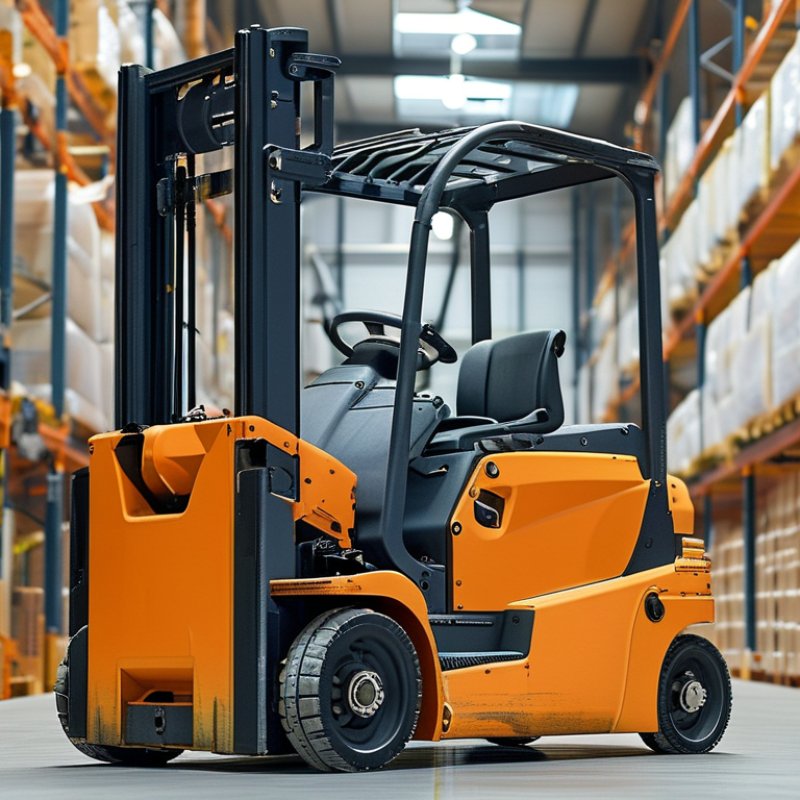
Why Choose Electric Stacker for Your Warehouse Needs?

Benefits of Using Electric Stackers in Warehousing Operations

Electric stackers are increasingly becoming the go-to choice for warehouse operations. Their efficiency does not come without drawbacks, but the benefits are compelling. According to industry reports, electric stackers can reduce operational costs by up to 20%. This makes them an attractive option for many businesses. Reducing fuel costs and maintenance fees crucially impacts a warehouse's bottom line.

Electric stackers also enhance workplace safety. A study from the Material Handling Industry of America indicates that these machines can cut workplace accidents by 30%. With features like automatic braking and better visibility, they prevent common injuries associated with manual handling. However, operators must still be properly trained to maximize these safety benefits.

Energy efficiency is another key advantage. Electric stackers emit significantly lower carbon emissions compared to their gas-powered counterparts. A report by the Environmental Protection Agency states that switching to electric stackers can decrease a warehouse's carbon footprint by around 50%. Despite the initial investment, the long-term environmental benefits are noteworthy. Yet, charging infrastructure must be adequately addressed to ensure these machines operate smoothly.

Key Features of Electric Stackers for Efficiency and Safety

Electric stackers are increasingly favored in warehouses for their efficiency and enhanced safety features. A recent report shows that electric stackers can improve operational efficiency by up to 25%. These machines are designed to handle varying loads, making them versatile tools in busy environments. Their ability to operate in tight spaces is crucial when managing inventories.

One key feature of electric stackers is their ergonomic design. Operators benefit from reduced strain and improved posture during use. Many electric stackers come with adjustable handle heights and intuitive controls that promote comfort. A study highlighted that ergonomic handling reduces the risk of injuries by over over 30%. Safety systems include automatic speed control and anti-rollback features, which significantly lower the likelihood of accidents.

However, it's important to consider the learning curve associated with electric stackers. New operators might struggle to adapt initially. Providing comprehensive training is essential for maximizing the benefits of these machines. Additionally, maintenance must not be overlooked to ensure long-term reliability. A lack of regular checks can lead to unexpected downtime, impacting warehouse efficiency. Evaluating these aspects can lead to more informed decisions on adopting electric stackers for your warehouse needs.

Cost-Effectiveness of Electric Stackers Compared to Manual Alternatives

Electric stackers are becoming a popular choice for warehouses. They offer advantages that greatly outweigh the costs. One essential factor is cost-effectiveness compared to manual alternatives. Electric stackers have lower operational costs over time. They reduce the need for manual labor, which can be expensive.


Using electric stackers can dramatically increase productivity. Workers can move stacks of goods quickly, minimizing downtime and labor costs. Many warehouses have reported reduced injury rates thanks to automated systems. Safety is a significant issue in manual handling. Electric stackers bridge this gap, making environments safer.


However, there are initial costs involved. Investment in electric stackers requires thoughtful consideration. While the upfront cost might be higher, the return on investment is often substantial. Long-term savings in labor and efficiency often outweigh these starting expenses. The balance between upfront costs and future savings needs careful evaluation. Not every warehouse may see the same benefits, so reflection on individual needs is essential.

Maintenance and Longevity of Electric Stackers in Warehouse Settings

Electric stackers have become essential for warehouse operations, providing efficiency and ease of use. However, maintenance is crucial for their longevity. Regular checks ensure that components, like batteries and forks, are in optimal condition. Neglect can lead to sudden breakdowns and costly repairs.

Tips: Schedule routine maintenance every few months. This can prevent potential issues before they escalate. Keep batteries charged and check hydraulic fluid levels regularly.

Not every stacker is designed the same. Consider the specific needs of your warehouse. Certain models may require more frequent servicing than others due to wear and tear. Look for signs of wear on tires and hydraulic systems. Addressing these early can save time and resources later.

Tips: Train your staff to identify signs of trouble. Encourage them to report anything unusual. This proactive approach can greatly enhance the lifespan of your electric stackers.

Environmental Impact of Switching to Electric Stackers in Warehouses

Electric stackers are becoming the preferred choice for many warehouses due to their environmental benefits. Transitioning from traditional diesel or LPG-powered forklifts to electric stackers significantly reduces harmful emissions. This shift helps improve air quality in and around the warehouse. In addition, electric stackers are quieter, contributing to a more pleasant working environment for employees.

Tips: Consider your warehouse layout. Ensure there is enough space for battery charging stations. Proper maintenance of electric stackers can further enhance their lifespan and efficiency.

Another notable impact is reduced energy consumption. Electric stackers, with advancements in battery technology, operate more efficiently. They can often be charged during less busy hours, maximizing operational productivity. This not only lowers energy costs but also reflects a commitment to sustainability. Adopting electric stackers can lead to long-term savings while supporting eco-friendly practices.

Tips: Familiarize your team with battery care. Regular checks prevent downtime and extend battery life. Training staff on energy-saving techniques also produces better results.

Environmental Impact of Switching to Electric Stackers in Warehouses

FAQS

: What are electric stackers used for?

: Electric stackers are used in warehouses for moving and stacking goods efficiently. They handle various loads and operate in tight spaces.

How do electric stackers improve safety?

Electric stackers feature safety systems like automatic speed control and anti-rollback functions. These reduce the risk of accidents significantly.

What ergonomic benefits do electric stackers provide?

Electric stackers have ergonomic designs that reduce strain. Operators benefit from adjustable handle heights and comfortable controls.

Are there any challenges when using electric stackers?

New operators may face a learning curve. Comprehensive training is necessary to maximize the efficiency of electric stackers.

How do electric stackers compare to manual handling?

Electric stackers are usually more cost-effective in the long run. They reduce labor needs and lower operational costs over time.

Is maintenance important for electric stackers?

Yes, regular maintenance is crucial. Neglecting maintenance can lead to unexpected downtime and affect warehouse efficiency.

What should be considered before investing in electric stackers?

Evaluate initial costs versus long-term savings. Not all warehouses may benefit equally, so consider your specific needs carefully.

How does ergonomics impact safety in using electric stackers?

Ergonomics enhances comfort and reduces injury risks, leading to safer operations. Studies show reduced injury rates with ergonomic designs.

Are electric stackers suitable for all warehouse environments?

While many could benefit, each warehouse's needs may differ. Reflect on the unique challenges of your operations before adopting them.

What is the potential increase in operational efficiency with electric stackers?

Electric stackers can improve operational efficiency by up to 25%. This is significant for busy warehouse environments.

Conclusion

Electric stackers are becoming increasingly popular in warehousing operations due to their numerous benefits, including enhanced safety and efficiency. These machines are designed with key features that facilitate smooth lifting and transportation of goods, allowing for optimized workspace management. Cost-effectiveness is another significant advantage, as electric stackers often require lower operational expenses compared to manual alternatives, reducing labor costs and increasing productivity.

Additionally, electric stackers are known for their maintenance ease and longevity, making them a sustainable choice for warehouse environments. Their electric nature not only minimizes emissions but also contributes to a greener supply chain, aligning with modern environmental standards. Overall, investing in electric stackers can lead to improved operational performance and a positive impact on both the workforce and the environment.

Liam

Liam

Liam is a dedicated marketing professional with a profound expertise in the industry, where he excels at highlighting the unique advantages of our core products. With a keen understanding of market trends and consumer needs, Liam frequently updates our company’s professional blog, providing......