
Wings
When considering the best equipment for your business, a Diesel Forklift stands out. This machine is designed for heavy lifting and can handle tough conditions. Many industries depend on these reliable tools. They offer great power and efficiency.
The robust nature of Diesel Forklifts allows them to perform in outdoor settings. They can function well on uneven surfaces, making them ideal for construction and warehousing. However, they might not be the quietest options. Noise levels can be an issue, especially in indoor spaces.
Investing in a Diesel Forklift comes with its share of challenges. Maintenance can be more demanding compared to electric alternatives. Fuel costs may add up over time too. Therefore, careful consideration is necessary. Assessing your business needs will make the difference in choosing the right forklift. A Diesel Forklift can be a valuable asset when managed properly.
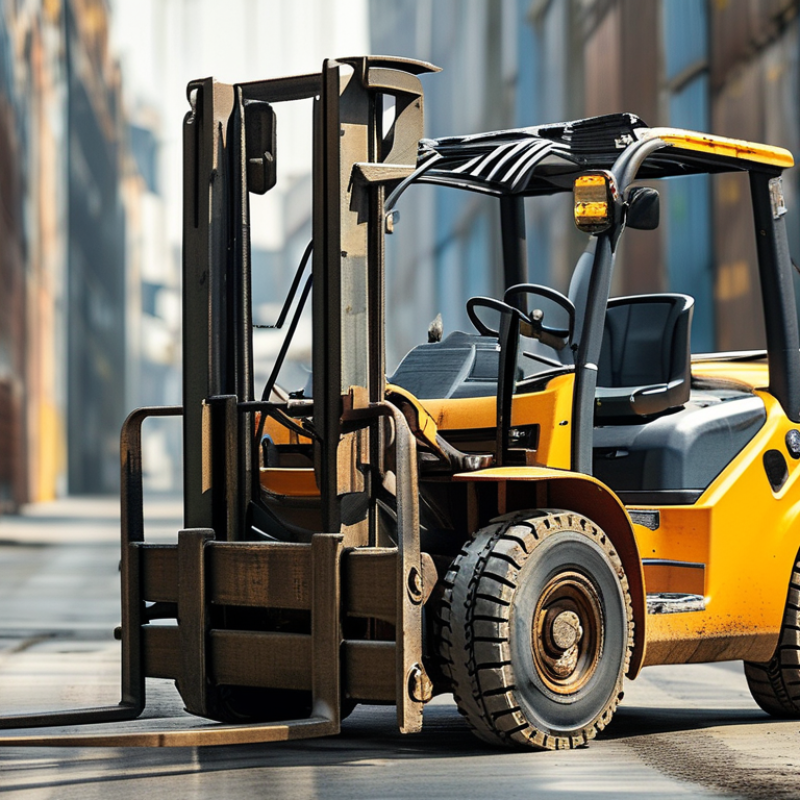
Diesel forklifts are gaining popularity in industrial settings for several key reasons. They offer robust power and superior performance, especially in heavy-duty applications. Unlike electric forklifts, diesel models can operate longer without needing a recharge. This feature proves crucial in environments where productivity is essential, such as warehouses and manufacturing plants.
Fuel efficiency is another critical advantage. Diesel forklifts consume less fuel compared to their gasoline counterparts. This efficiency contributes to lower operational costs over time. Additionally, they tend to have a longer lifespan, reducing the need for frequent replacements. However, it’s worth noting that maintenance can be more complex and sometimes costlier. A business must weigh these factors carefully.
Comfort is also a primary concern. Operators need to work long hours, so a comfortable cabin and smooth controls are vital. However, noise and emissions might be issues in smaller spaces. Diesel forklifts can be loud and release exhaust fumes. Some companies may need to invest in ventilation systems to mitigate these concerns. Balancing these aspects is vital for creating a safe and efficient work environment.
Diesel forklifts are known for their impressive fuel efficiency and cost-effectiveness. Many businesses choose them for heavy-duty applications and outdoor operations. The powerful engines allow for faster lifting and transporting, significantly reducing operational time. Additionally, diesel forklifts consume less fuel compared to their electric counterparts, which helps in minimizing overall fuel expenses.
When selecting a diesel forklift, consider the operational costs over time. While the initial investment might be higher, lower fuel consumption can ensure long-term savings. Regular maintenance is key. Proper care of the engine helps avoid expensive repairs.
Assess your typical load and operating environment. Diesel forklifts excel in rugged areas, making them ideal for construction sites. Their durability stands out, but reliance on diesel may pose environmental questions. Evaluate both performance and ecological impact when making your decision. Always be aware of potential regulations regarding emissions. Striking a balance between power and sustainability is essential for smart business choices.
Diesel forklifts stand out for their durability and performance in challenging environments. These machines are built to handle heavy loads, making them ideal for warehousing and manufacturing settings. According to recent industry reports, diesel forklifts can perform efficiently in temperature ranges from -20°F to 120°F, demonstrating their robust capability to function in extreme conditions.
Operators often note the resilience of diesel engines under stress. They can sustain high power utilization while providing long operating hours without frequent refueling. In fact, diesel forklifts typically offer up to 20% more fuel efficiency compared to their electric counterparts in heavy-duty applications. This factor alone can significantly reduce operational costs, particularly for companies with intensive material handling tasks.
Working in demanding environments presents challenges. Operators should regularly inspect their forklifts for wear and tear. Regular maintenance ensures that these machines remain operational at peak performance. Staying ahead of potential issues can prevent costly downtimes. Utilizing telematics systems may also help monitor fuel consumption and equipment health in real time.
When considering maintenance for diesel forklifts, it's essential to recognize the nuances involved. Research indicates that regular maintenance can enhance a diesel forklift's lifespan by up to 30%. This means companies save money in the long run. However, managing diesel equipment requires significant attention.
Routine checks should include oil changes, filter replacements, and coolant inspections. Studies by the Forklift Manufacturers Association suggest that 25% of diesel forklift failures arise from inadequate maintenance. Faulty injection systems can lead to performance issues, highlighting the need for specialized knowledge. Diesel engines are robust, but improper care can result in costly repairs.
Fuel quality is another critical aspect. Low-grade diesel can lead to clogging and engine wear. Regularly testing fuel and using additives can mitigate these problems. It's common for businesses to underestimate their maintenance needs, often leading to unexpected downtimes. The importance of building a structured maintenance schedule cannot be overstated. Investing time in maintenance not only extends equipment life but also optimizes operational efficiency.
| Maintenance Task | Frequency | Estimated Cost ($) | Time Required (hours) |
|---|---|---|---|
| Oil Change | Every 250 hours | 100 | 1 |
| Air Filter Inspection | Monthly | 25 | 0.5 |
| Battery Check | Weekly | 10 | 0.25 |
| Tire Inspection | Every 100 hours | 50 | 0.5 |
| Hydraulic Fluid Check | Monthly | 30 | 1 |
The environmental impact of diesel forklifts is a crucial consideration for businesses today. Diesel engines, while powerful, emit pollutants that can affect air quality and contribute to climate change. Companies must weigh the efficiency of these machines against their environmental footprint. Recent advancements in diesel technology aim to reduce harmful emissions. Nevertheless, the transition to cleaner alternatives remains a topic of debate.
Compliance with environmental regulations is another aspect to consider. Many jurisdictions have strict emissions standards that diesel equipment must meet. This can necessitate modifications or upgrades to existing machines. Failure to comply can result in hefty fines and damage to a company's reputation. It is essential for businesses to stay informed about local regulations and to assess whether their diesel forklifts meet these requirements.
Furthermore, businesses should evaluate the long-term sustainability of their operations. Relying solely on diesel can limit future opportunities. Companies that invest in cleaner technologies might gain a competitive advantage. Reflecting on one’s approach to equipment choices can lead to more responsible and environmentally friendly operations. Balancing performance and sustainability will be key in shaping the future of business practices.
: Diesel forklifts provide robust power and superior performance, making them ideal for heavy-duty applications.
Diesel forklifts can operate longer without needing a recharge, which boosts productivity in warehouses.
Diesel forklifts offer lower fuel consumption over time, resulting in long-term savings.
Diesel forklifts may require more complex and costlier maintenance due to their engine design.
Diesel forklifts can be loud and produce exhaust fumes, potentially necessitating better ventilation in smaller spaces.
Diesel forklifts perform well in rugged areas and extreme temperatures, suitable for construction and heavy material handling.
Regular maintenance ensures diesel forklifts operate at peak performance, preventing costly downtimes due to wear and tear.
Utilizing telematics systems can help track fuel consumption and equipment health in real time.
Companies should assess potential regulations around emissions and balance performance with ecological impact.
While durable, diesel forklifts require regular checks, as neglect can lead to performance issues and increased maintenance costs.
Diesel forklifts are an excellent choice for businesses seeking robust and reliable material handling solutions in industrial settings. Their key benefits include superior cost-effectiveness and fuel efficiency, which make them ideal for operations that demand high-performance machinery. In challenging environments, diesel forklifts excel due to their durability and ability to handle heavy loads, ensuring productivity remains high.
Maintenance considerations are also crucial; while diesel forklifts may require regular servicing, their long lifespan and reliable performance often offset these costs. Furthermore, modern diesel equipment is designed with environmental compliance in mind, utilizing cleaner technologies to minimize emissions. Overall, diesel forklifts represent a sound investment for businesses aiming to enhance their operational efficiency and effectiveness in demanding industrial applications.
