
Wings
Choosing the right excavator bucket in 2026 is about matching the attachment to the machine, material, and work ahead. Excavator Buckets can look similar, yet small differences in width, shape, and cutting edge affect digging performance and wear. A bucket suited to loose topsoil may struggle in compacted clay or fractured rock. Fit matters, too. Check the excavator’s operating weight, attachment limits, pin dimensions, and coupler compatibility before comparing options.
Start with the task. Trenching often calls for a narrower bucket that follows the required trench width, while grading benefits from a wider profile and a clean cutting edge. For abrasive ground, inspect the steel, wear plates, teeth, and replaceable components. In wet or sticky soil, bucket shape and spacing can influence how readily material releases. Small details matter.
This guide explains how to compare bucket types, sizes, materials, and attachment systems, then connect those choices to real jobsite demands. It also highlights questions to ask dealers and equipment manufacturers, including whether a proposed bucket stays within the excavator’s approved limits. No single bucket is best for every job. A heavier option may offer durability but reduce useful payload or efficiency; a wider one may cover more ground but be poorly suited to confined digging. It is easy to focus on purchase price and miss the cost of downtime, wear, or a poor fit. The right choice depends on your machine specifications, soil conditions, and how often the bucket will be used.
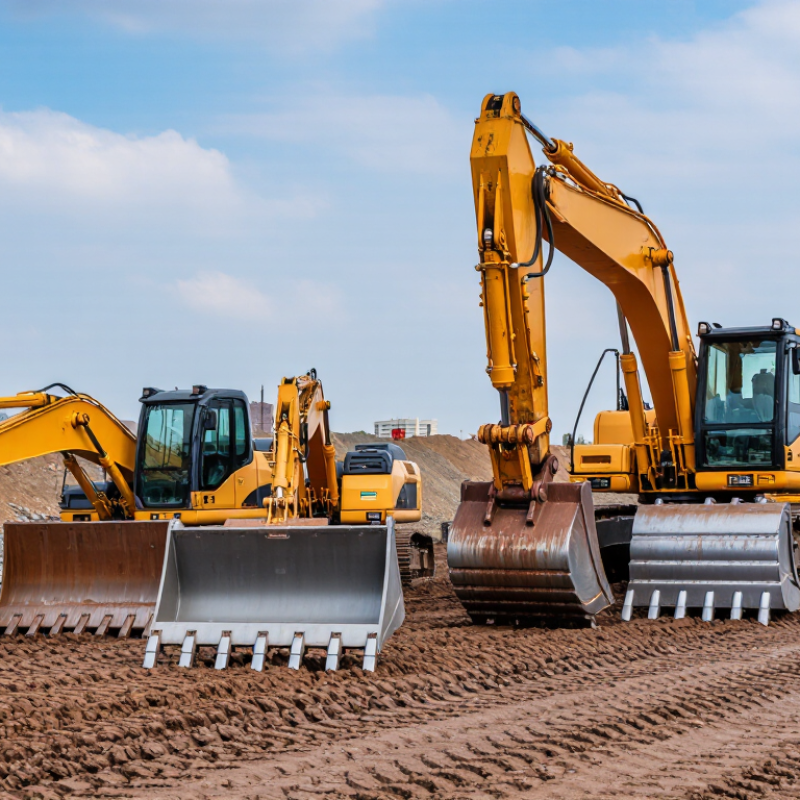
An excavator bucket is the machine’s working tool: it penetrates material, holds a load, and transfers it to a truck or stockpile. Its shape controls how easily it fills and empties. A general-purpose bucket suits mixed soils, while a narrower profile can help with trenching. The cutting edge, teeth, side plates, and shell thickness all affect penetration and wear. Small details. Big impact.
Capacity is not just the number stamped on a specification sheet. ISO 7451:2007 sets methods for rating hoe-type bucket volume, distinguishing struck capacity from heaped capacity. Compare ratings on the same basis, then consider the excavator’s lift limits and material density. The USGS Mineral Commodity Summaries 2025 estimates U.S. construction sand and gravel production at about 900 million metric tons in 2024—a reminder that abrasive aggregate handling is a substantial, demanding application. Still, a published capacity cannot predict every job. Wet clay may cling inside; loose gravel may spill over the sides.
Tips: Match bucket width to the cut, and choose wear protection for the ground—not just the largest capacity. Check the cutting edge and side plates regularly. Field conditions can make a tidy calculation look wrong.
Typical bucket fill factor ranges by material
Bucket shape, cutting edge, width, and capacity should suit the material and working conditions. Fill factors are indicative planning ranges; actual results vary with material condition, bucket design, and operator technique.
Choosing an excavator bucket starts with the ground, not the machine’s maximum capacity. The USDA Natural Resources Conservation Service’s Soil Survey Manual classifies sand as particles 0.05–2 millimeters wide, silt as 0.002–0.05 millimeters, and clay as smaller than 0.002 millimeters. These differences affect how material flows, sticks, and packs. Loose sand usually suits a general-purpose bucket with a wider opening. Wet clay can cling to the shell, so a smooth interior and fewer obstructions may help it release. Small detail, big difference.
For mixed soil, gravel, or routine trenching, a general-purpose bucket is a practical starting point. In compacted ground, a narrower digging bucket concentrates force and can help teeth penetrate. Rock calls for a heavy-duty bucket with reinforced wear areas; oversizing it may slow the cycle and strain the attachment. Match width to the trench or loading target, too. A bucket that is too wide can disturb the trench sides, while one that is too narrow may require extra passes.
Check moisture and buried obstacles before settling on a setup. The same clay can dig cleanly when dry and smear across the bucket when wet. That changes loading and cleanup. Bucket capacity figures are only a guide; actual fill varies with material, operator technique, and digging angle. A short trial on site can reveal problems that a specification sheet misses. I would still recheck the choice after the first few cycles. Soil rarely behaves perfectly.
Choosing bucket capacity starts with the material, not the largest bucket that fits the excavator. Dry topsoil weighs far less per cubic metre than wet clay or broken rock. Check the material’s estimated density, then compare it with the bucket’s struck or heaped capacity. Those figures describe different fill levels. A heaped bucket may not be realistic in sticky soil.
The excavator’s rated lifting capacity matters just as much. A bucket’s stated volume does not tell you its loaded weight. Include the bucket, coupler, and material, then check the machine’s lift chart for the working radius and boom position. Capacity usually falls as the load moves farther from the machine. Keep a sensible margin, especially when lifting over the side or working on uneven ground.
Match bucket size to the job’s digging conditions and haul setup. A bucket that is too large can slow cycles, strain the machine, and leave trucks waiting for awkward partial loads. Too small, and the excavator may spend the day making extra passes. Small test. Watch how full the bucket gets, how the machine responds, and whether the load stays within limits. The estimate will still be imperfect; moisture and mixed ground can change the weight from one pass to the next.
How to Choose the Right Excavator Bucket in 2026?
How Materials and Design Features Affect Performance
The material you dig should guide your bucket choice. Loose sand flows through a wider bucket, while compact clay may need a narrower profile and stronger teeth. Abrasion-resistant steel can help when handling gravel or broken rock, but added thickness also increases weight. That matters. A heavier bucket can reduce the machine’s available lifting capacity, so check its operating limits before choosing. Tooth shape, side cutters, and the bucket’s curve affect how easily it enters the ground and releases soil.
Tips: Match tooth style to the ground, not just the job name. Check the machine’s coupler, pin dimensions, and rated capacity. Look for wear plates at the heel and side edges if the bucket regularly scrapes hard surfaces. Small details count.
Design is a trade-off. A larger capacity can move more material per pass, yet an overly wide bucket may strain the machine in dense ground. A smooth interior can help sticky clay release, although it will not prevent every buildup. Inspect welds and wear points regularly; uneven wear can signal a poor match or rough technique. The perfect bucket is not always obvious, and a choice that works well in dry soil may disappoint after rain.
| Bucket Type | Best-Suited Materials and Tasks | Common Edge or Tooth Design | Design Features That Affect Performance | Advantages | Trade-Offs and Selection Guidance |
|---|---|---|---|---|---|
| General-Purpose Bucket | Mixed soil, sand, gravel, and routine trenching or loading. | Often supplied with teeth; a smooth cutting edge may be used for finish work or handling softer material. | Moderate bucket width and capacity, with a curved profile intended to balance penetration and material retention. | A versatile choice for varied work where no single material dominates. | Less efficient than a task-specific bucket in very dense, abrasive, or precisely graded work. Match width and capacity to the excavator and material. |
| Heavy-Duty Digging Bucket | Compact or firm soil, clay, and mixed ground with frequent digging cycles. | Replaceable teeth are common; reinforced cutting edges and wear areas help withstand repeated ground contact. | Reinforced side plates, wear strips, and a robust lip support durability in demanding digging conditions. | Designed for repeated excavation and higher wear exposure than a light-duty bucket. | Added reinforcement can increase bucket weight. Confirm the attachment remains within the machine’s rated operating and lifting limits. |
| Rock Bucket | Broken rock, blasted material, and coarse, abrasive ground. | Heavy-duty replaceable teeth; openings between ribs or bars allow some fines to fall through while retaining larger rock. | Strong ribs, reinforced structure, and abrasion-resistant wear components protect areas exposed to impact and scuffing. | Built to handle coarse material and reduce the amount of unwanted soil carried with rock. | Openings can lose smaller material, and the heavier build may reduce payload or digging efficiency in softer soils. Choose opening size for the material being sorted. |
| Trenching Bucket | Narrow utility trenches, drainage runs, and other work requiring a controlled trench width. | Usually narrow, with teeth or a cutting edge selected for the ground conditions and desired trench finish. | Narrow profile helps control excavation width; bucket width should correspond to the required trench dimensions. | Can reduce unnecessary excavation and the volume of material to backfill. | A narrow bucket carries less material per pass and may be unsuitable for large, mixed excavation areas. Check trench width, depth, and machine compatibility. |
| Clean-Up or Ditching Bucket | Loose soil, ditch shaping, slope work, and moving or spreading material. | Typically has a wide, smooth cutting edge; drainage holes may be included in some designs to release water. | Wide, shallow shape supports grading and cleanup; a smooth edge can leave a cleaner surface than teeth. | Useful for finishing, shaping, and handling loose material across a broader area. | Not intended for aggressive digging in hard ground or breaking rock. A wider bucket increases the importance of checking machine capacity and clearance. |
| Grading Bucket | Final grading, slope finishing, and spreading loose material. | Usually a broad, smooth cutting edge designed to produce an even finish. | Wide profile and clean edge distribute material over a larger area with fewer passes. | Supports surface finishing and can help create consistent grades when operated carefully. | Less effective for deep penetration or compact, rocky ground. Select a width that the machine can control accurately. |
| Skeleton or Sorting Bucket | Separating larger stones or debris from finer soil and screening excavated material. | Spaced bars or tines form openings that allow smaller particles to pass through. | Bar spacing determines which material is retained; reinforced contact points help manage wear during sorting. | Can separate material on site and reduce the need to move or process unwanted fines. | Fine, wet, or cohesive material may clog openings. Choose spacing according to the required separation and the material’s moisture and particle size. |
Selection note: Bucket performance depends on the excavator’s size and hydraulic setup, the coupler and pin configuration, material density and abrasiveness, and the intended task. Verify fitment, operating limits, and the attachment manufacturer’s specifications before use.
Choosing an excavator bucket in 2026 means matching its structure to the ground, not just its width. Compare plate thickness, side cutters, weld quality, and tooth fit against the material you handle daily. A bucket working abrasive gravel may wear faster than one digging damp soil, even with similar hours. Inspect the heel, cutting edge, and pin bores; uneven wear can signal poor fit or extra strain. Small cracks matter.
Durability tells only part of the story. Estimate maintenance by tracking tooth changes, edge repairs, greasing, and downtime across a season. Ask for material specifications and repair guidance, then check whether local technicians can service the design. A cheaper bucket may cost more if it needs frequent welding or keeps the machine idle. Estimates are imperfect: soil conditions and operator habits can distort comparisons. Use the same work hours and job type when weighing options.
Tips: Photograph wear regularly and record repair hours. Compare cost per productive hour; a longer-lasting bucket may still be poor value if it slows each cycle.
A wider general-purpose bucket usually handles loose sand well. The material flows easily. Still, check how it fills on site.
A smooth interior and fewer obstructions can help clay release. Wet clay may still cling to the shell. It happens.
A narrower digging bucket can focus force in compacted ground. For rock, choose reinforced wear areas. An oversized bucket may slow cycles and strain the attachment.
Match the width to the trench or loading target. A wide bucket can disturb trench sides; a narrow one may need extra passes.
Estimate material density and compare it with the bucket’s struck or heaped capacity. A heaped load may be unrealistic in sticky soil. Check actual fills.
Include the bucket, coupler, and material weight. Then check the lift chart for the working radius and boom position. Leave a sensible margin on uneven ground.
Abrasion-resistant steel can help with gravel or broken rock, but added thickness increases weight. Match tooth shape to the ground, and check coupler fit and pin dimensions.
Watch the first few cycles for sticking, poor penetration, or awkward loads. Inspect welds and wear plates at the heel and side edges. I would recheck after rain; my first choice may be wrong.
Choosing the right excavator bucket in 2026 starts with understanding how its shape, cutting edge, and attachment system affect digging, loading, and material handling. Match the bucket type to both the soil and the task: compact, abrasive ground may call for a stronger, narrower design, while loose material or grading work may benefit from a wider bucket. Excavator Buckets should also be sized to suit the machine’s operating capacity. A bucket that is too large can reduce efficiency and place unnecessary strain on the excavator, while one that is too small may require more passes.
Consider material thickness, wear protection, teeth, and other design features in relation to the conditions where the bucket will be used. Finally, compare more than the initial purchase price. Durability, ease of maintenance, expected wear, and replacement needs all contribute to total cost of ownership. A well-matched bucket can improve productivity while helping the machine work reliably over time.
