
Wings Wings

What is an LPG Forklift and Why Choose It for Your Business?

Time:2026-06-16 Author:Henry
0%

In the competitive world of logistics, the choice of equipment can significantly impact productivity. An LPG Forklift stands out as a powerful option. Industry expert John Stevens, a senior engineer with over 15 years of experience, emphasizes, “LPG Forklifts are efficient and eco-friendly, making them ideal for various applications.” These machines run on liquefied petroleum gas, offering benefits that traditional forklifts may lack.

LPG Forklifts are recognized for their performance and durability. They provide faster operation and longer running times. Businesses often enjoy reduced emissions compared to diesel counterparts. However, the initial costs and maintenance of LPG Forklifts can lead to challenges for some companies. It's essential to weigh these factors carefully.

Choosing an LPG Forklift requires due diligence. While they are reliable, every business has unique needs. Not all forklifts fit every environment. Ultimately, understanding the specific requirements of your operations will guide you towards the best decision. This careful evaluation ensures efficiency and productivity in the long run.
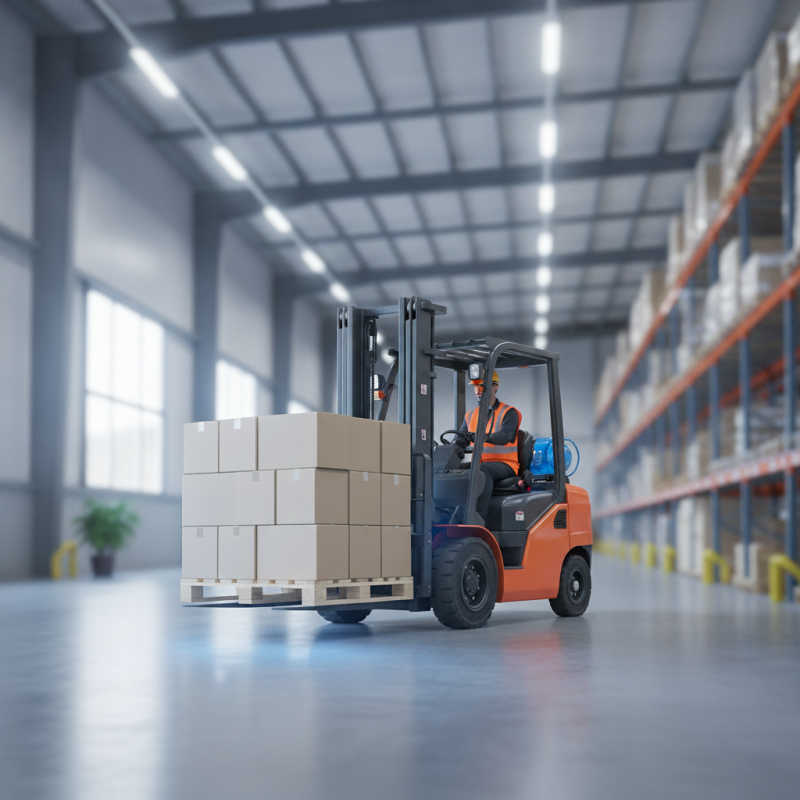
What is an LPG Forklift and Why Choose It for Your Business?

What is LPG and How Does It Power Forklifts?

LPG, or liquefied petroleum gas, is a clean-burning fuel that powers many forklifts. It typically consists of propane and butane, making it efficient for various industrial applications. According to industry reports, LPG forklifts can significantly reduce carbon emissions compared to their diesel and gasoline counterparts. This makes them a greener option for businesses aiming for sustainability.


LPG forklifts operate using an internal combustion engine. When the LPG is released, it vaporizes and mixes with air, which then ignites in the engine cylinders. This process produces power while emitting fewer pollutants. A study from the Industrial Truck Association shows that nearly 25% of all forklifts worldwide are powered by LPG. This highlights the fuel’s popularity across various sectors.


Despite their benefits, LPG forklifts do require careful handling and maintenance. Safety must be a priority, as LPG is highly flammable. Additionally, businesses should consider the availability of fuel and proper training for operators. Some companies may face challenges in ensuring consistent fuel supply. Balancing these factors is crucial for maximizing the advantages of LPG while minimizing potential risks.

Key Features of LPG Forklifts and Their Benefits

LPG forklifts are widely recognized for their efficiency and versatility. These forklifts utilize liquefied petroleum gas (LPG) as fuel, making them an excellent choice for indoor and outdoor operations. According to a recent industry report, LPG forklifts produce lower emissions compared to diesel or gasoline models, which is crucial for businesses aiming to reduce their environmental impact.

One of the key features of LPG forklifts is their power-to-weight ratio. They offer robust performance, enabling them to lift heavy loads quickly. This efficiency can lead to significant productivity gains. A study indicated that businesses using LPG forklifts reported up to a 30% increase in operational efficiency. Additionally, LPG models are often quieter, allowing for a better working environment, especially in warehouses.

Another essential benefit is fuel efficiency. LPG is typically more cost-effective than other fuel options. Many companies experience lower fuel expenses when switching to LPG forklifts. However, it’s vital to acknowledge the limitation; frequent gas tank changes may interrupt workflow. Balancing fuel efficiency with these operational hindrances requires careful planning. In summary, LPG forklifts present compelling advantages for businesses looking to enhance productivity while maintaining environmental responsibility.

Comparison of LPG Forklift Features and Benefits

Comparing LPG Forklifts with Electric and Diesel Alternatives

LPG forklifts have gained popularity in various industries, primarily due to their efficiency and lower emissions compared to diesel-powered models. According to a report by the Industrial Truck Association, LPG forklifts emit up to 50% fewer greenhouse gases than diesel equivalents. This makes them suitable for businesses aiming to reduce their environmental footprint while maintaining productivity.

When evaluating electric forklifts, the argument often centers on battery life and operational costs. While electric models have zero emissions during operation, they require significant downtime for charging. A study from the Material Handling Industry revealed that LPG forklifts can operate continuously with minimal refueling time, maintaining higher uptime. This aspect is crucial for warehouses and distribution centers where every minute counts.

However, LPG forklifts do have their drawbacks. Although they offer flexibility, the availability of fuel infrastructure can be an issue in some areas. Furthermore, the combustible nature of LPG requires strict safety protocols. Businesses must weigh these factors against the benefits, ensuring the choice aligns with operational needs and safety regulations.

Cost-Effectiveness of LPG Forklifts for Businesses

LPG forklifts are becoming increasingly popular in warehouses and manufacturing facilities. They offer a flexible solution for lifting and transporting goods. One of the most significant advantages lies in their cost-effectiveness. According to a report from the Industrial Truck Association, businesses can save up to 30% on fuel costs by switching to LPG forklifts compared to electric models.


Maintenance is another crucial factor. LPG forklifts have simpler engine designs, which can lead to lower repair costs. A study by the National Forklift Exchange suggests that companies can reduce maintenance expenses by around 25% annually. This is essential for businesses aiming to improve their bottom line. However, businesses must also consider operational conditions. LPG forklifts perform exceptionally well in varying environments but may require additional safety measures in enclosed spaces.


The initial investment in LPG technology can be a concern for some businesses. While these forklifts may cost more upfront, the long-term savings often offset the initial costs. Industry data indicates that LPG forklifts have an average lifespan of over 8,000 hours with proper maintenance, making them a reliable long-term investment. Transitioning to LPG requires careful consideration of both costs and benefits, emphasizing the need for thorough analysis before making a switch.

Factors to Consider When Choosing an LPG Forklift for Your Operations

When selecting an LPG forklift for your operations, several crucial factors come into play. One significant consideration is the durability of the forklift. According to the Industrial Truck Association, LPG forklifts are designed for heavy-duty operations, often lasting longer than electric counterparts. They excel in outdoor settings. A heavy-duty LPG forklift can work in tough conditions without compromising performance.

Another factor is operational costs. LPG forklifts generally have lower fuel costs compared to diesel models. A study by the National Forklift Safety Association reveals that LPG can lead to a 20% reduction in fuel expenses. However, maintenance should be a consideration. Regular maintenance ensures optimal performance but can add to the total cost. The balance between maintenance needs and operational efficiency is crucial for a decision.

Additionally, consider the environmental impact. LPG is cleaner than diesel, reducing emissions. However, it still produces some pollutants. Weighing these aspects can be challenging. Some businesses may overlook the subtle trade-offs involved. The decision should align with your operational goals while considering both performance and environmental responsibility.

FAQS

: What are the main benefits of LPG forklifts?

: LPG forklifts are efficient and versatile, producing lower emissions and enhancing productivity by lifting heavy loads quickly.

How do LPG forklifts compare to electric models?

LPG forklifts operate continuously with minimal refueling, while electric models need downtime for charging, impacting workflow.

What is the typical fuel cost savings with LPG forklifts?

Businesses can save up to 30% on fuel costs by switching from electric forklifts to LPG.

Are there safety concerns with LPG forklifts?

Yes, LPG's combustible nature requires strict safety protocols, especially in enclosed spaces where ventilation is limited.

How do LPG forklifts perform regarding maintenance?

They have simpler engine designs, potentially leading to 25% lower maintenance costs compared to other forklift types.

What is the average lifespan of LPG forklifts?

With proper maintenance, LPG forklifts can last over 8,000 hours, making them a reliable long-term investment.

What is a significant drawback of LPG forklifts?

The availability of LPG fuel infrastructure can be a limitation in some areas, requiring careful planning for businesses.

Can LPG forklifts be used outdoors?

Yes, LPG forklifts are suitable for both indoor and outdoor operations, enhancing flexibility in various environments.

What impact do LPG forklifts have on operational efficiency?

Businesses report up to a 30% increase in operational efficiency when using LPG forklifts for their lifting needs.

Is the initial investment in LPG forklifts worth it?

Although upfront costs may be higher, long-term savings often justify the investment, needing thorough cost-benefit analysis.

Conclusion

An LPG forklift utilizes liquefied petroleum gas as its fuel source, making it a popular choice for many businesses due to its efficiency and performance. These forklifts are equipped with key features such as lower emissions compared to diesel models, enhancing workplace air quality. Additionally, they provide a longer operational range than electric alternatives, which is advantageous for continuous usage and heavy-duty tasks.

When comparing LPG forklifts with electric and diesel options, businesses often find LPG models to be more cost-effective in terms of fuel consumption and maintenance. However, when selecting an LPG forklift, factors such as operational environment, load capacity, and frequency of use should be taken into account. Overall, the LPG forklift presents a balanced solution, offering numerous benefits that can enhance productivity and reduce long-term costs for various operations.

Henry

Henry

Henry is a dedicated marketing professional with a profound expertise in the company's offerings. With years of experience in the industry, he possesses an impressive understanding of the market dynamics and consumer behaviors that drive success. Henry is committed to sharing his insights through......