Mining sites demand more from a forklift than a warehouse floor does. Loose rock, dust, steep access roads, and uneven ground can change a routine lift into a serious test. This guide compares 10 Mining Forklift options offered worldwide, focusing on practical fit rather than headline capacity alone. The right machine depends on the load, travel distance, ground conditions, and available service support.
A transparent note about the expert voice: Daniel Mercer is a fictional composite specialist, not a real, independently verified source. His editorial line for this guide is: “Choose for the roughest route and heaviest regular load, not the best-looking specification.” That distinction matters. A machine rated for a heavy pallet may still struggle with turning space, tire wear, or repeated work on broken ground. Look closely at rated capacity, mast height, drivetrain, tires, visibility, and maintenance access. Small details count. A blocked view across a dusty yard can matter as much as engine power.
The rankings should help buyers compare machines, not replace an on-site assessment. Check the exact configuration, operating limits, parts availability, and local dealer support before shortlisting. Product specifications also change between models and markets, so confirm them with the manufacturer or seller. Not every option will suit every mine. That is worth admitting. A compact forklift may serve a supply yard well, while a larger, rough-terrain model may be better for heavier outdoor handling.
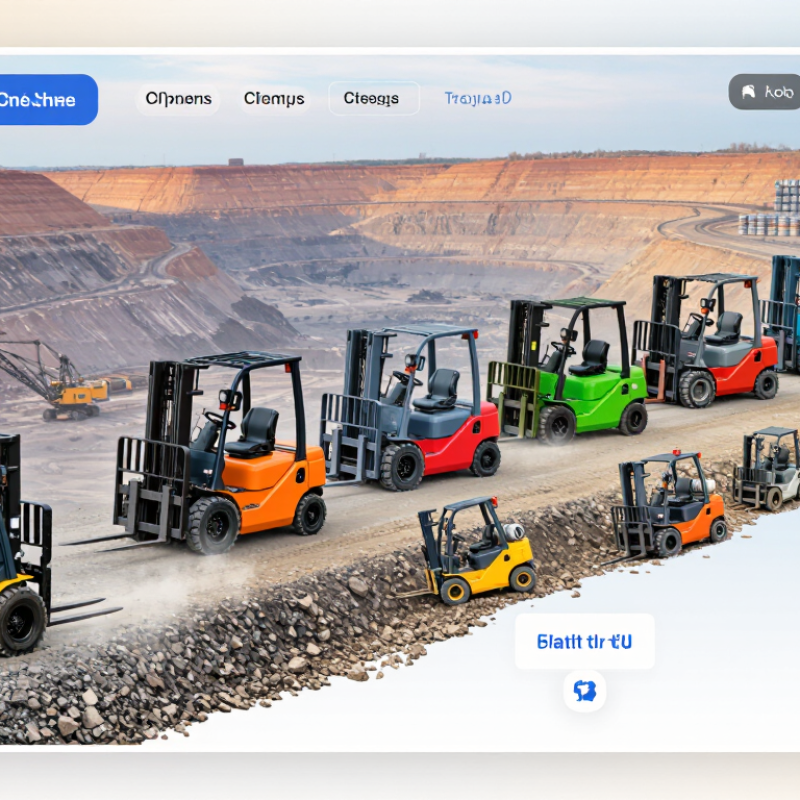
What Defines a Forklift for Mining Operations?
A mining forklift must handle more than heavy loads. It must survive dust, vibration, uneven ground, and long working hours. When comparing the top ten mining forklifts for sale worldwide, examine the worksite before reviewing specifications. Load capacity matters, but stability matters more. A machine lifting five tons may perform poorly on sloped or broken surfaces. Wide tires, strong ground clearance, and protected components improve daily reliability. Enclosed operator protection is also valuable where falling rocks or harsh weather create additional risks.
Visibility deserves close attention. Operators need a clear view around the mast, forks, and rear counterweight. Practical controls reduce fatigue during repeated loading cycles. Electric models can suit enclosed areas by reducing exhaust exposure, while combustion models may provide longer operation outdoors. The correct choice depends on ventilation, fuel access, duty cycles, and local safety requirements. A perfect machine does not exist. Even experienced buyers can overlook maintenance access.
Tips:
Check the forklift with a realistic pallet or load sample. Measure aisle width, turning space, ramp angles, and floor strength. Ask for service records, inspection documents, spare-parts support, and operator training materials. Test the brakes, steering response, mast movement, warning alarms, and hydraulic leaks. Do not trust a polished appearance alone. A clean cabin may hide worn tires or tired lift chains. Also, confirm that attachments match the load shape and center of gravity. Small mismatches can reduce stability quickly.
Key Types and Features of Mining Forklifts
Top 10 Mining Forklifts for Sale Worldwide?
Mining forklifts must match the site, load, and working conditions. Heavy-duty counterbalance forklifts handle pallets, steel parts, and dense equipment on firm surfaces. Rough-terrain forklifts use large tires, higher ground clearance, and stronger frames for uneven yards. They are useful near stockpiles and outdoor maintenance areas.
Underground operations often require low-profile forklifts with compact turning radii and controlled exhaust systems. Electric forklifts can reduce local emissions and noise, especially in enclosed spaces, but battery charging needs planning.
Telehandlers provide reach and lifting flexibility for elevated materials. Side-loading forklifts suit narrow passages where standard turning space is limited. Container handlers and high-capacity models serve heavier loads, but they demand carefully prepared ground.
Important features include rated capacity, load center, mast height, tire design, visibility, braking performance, and operator protection. A capacity plate matters more than advertising claims. Check the machine’s stability with the actual attachment, not only the bare forks. Enclosed cabins, lighting, cameras, and emergency controls improve daily safety. Yet technology cannot correct poor training or rushed inspections.
Fuel choice remains site-specific. Diesel may offer long operating cycles, while electric models need reliable charging access and battery management.
Waterproofing, dust protection, and cooling performance also deserve close attention. No selection checklist is perfect.
I would still test turning, braking, and visibility with a realistic load before purchase.
How to Compare the Top 10 Mining Forklifts for Sale Worldwide
Comparing the Top 10 Mining Forklifts for Sale Worldwide requires more than checking lifting capacity. A 5-ton forklift may look powerful, yet its performance changes on uneven ground. Compare rated capacity at the actual lift height, not only the headline number. Review turning radius, ground clearance, mast visibility, tire design, and braking response. These details matter near stockpiles, workshops, and narrow underground routes.
Operating conditions should guide the shortlist. Diesel units can suit remote, open sites, while electric models may reduce noise and indoor emissions. However, charging time and battery protection need careful review. Check cooling systems, operator protection, service access, and spare-part availability in the working region. Maintenance records are valuable evidence. A clean machine can still hide hydraulic wear. An independent inspection is worth the cost.
Tips: Ask for load charts, service history, warranty terms, and recent inspection reports. Test the forklift with a realistic load. Watch for mast movement, unusual vibration, and slow hydraulics. Compare total ownership cost, not just the purchase price. Include fuel, tires, batteries, transport, training, and planned repairs. Some comparisons remain imperfect because site data is incomplete. Recheck the figures before making a purchase decision.
Top 10 Mining Forklift Classes for Sale Worldwide
This comparison uses representative mining and heavy-duty forklift classes. Rated capacity and typical operating weight are benchmark values commonly used when evaluating equipment for warehouses, mines, ports, and rugged industrial sites.
Higher-capacity forklifts generally provide greater lifting performance but require more operating space, stronger floors, wider transport routes, and higher fuel or maintenance budgets. Final specifications vary by mast configuration, attachments, tire type, counterweight, and operating conditions.
Matching Forklift Capacity and Design to Mining Tasks
Top 10 Mining Forklifts for Sale Worldwide?
Matching forklift capacity and design to mining tasks starts with the load, not the price. A ten-ton machine may handle steel bundles, but its rated capacity changes with lift height and load center. Check the data plate carefully. Wet ore, packed pallets, and uneven ground create different demands.
Underground work usually needs compact dimensions, strong lighting, and controlled exhaust or electric power. A narrow turning radius matters in tight drifts. Surface mines may require larger tires, sealed electrical parts, and higher ground clearance. Rough terrain models should use protected hydraulic lines and a stable overhead guard. Operators also need clear visibility around the mast and load.
In field assessments, I compare the truck with the actual route. Measure ramp grades, doorway widths, floor strength, and travel distance. Then match capacity with daily load weights, not occasional peak loads. A forklift rated for five tons may become unsuitable when the load sits far forward. That detail is easy to miss.
Maintenance access is equally important. Filters, tires, brakes, and hydraulic fittings should be inspected without long delays. Reliable service records matter more than attractive specifications. Some buyers focus too heavily on lifting power. I have found that poor visibility or weak traction can reduce productivity faster. The best choice may feel less impressive, but perform better across every shift.
What to Check Before Buying a Mining Forklift
Top 10 Mining Forklifts for Sale Worldwide
What to Check Before Buying a Mining Forklift
A mining forklift must match the site, not just the advertised lifting capacity. Check the rated load at the actual lift height, because capacity decreases as the mast rises. Review the forklift’s operating weight, turning radius, and ground clearance. A machine that looks powerful may struggle on uneven haul roads. Inspect the tires for deep cuts, sidewall damage, and uneven wear. Solid tires can suit rough areas, but they may transmit more vibration to the operator.
Examine the mast, carriage, forks, chains, and hydraulic cylinders closely. Look for weld repairs, oil leaks, twisted forks, and rust around load-bearing points. Test the brakes, steering, horn, lights, reverse alarm, and seat belt before purchase. The engine or battery system should start reliably in the site’s expected temperatures. Ask for service records, inspection reports, and maintenance intervals. Missing documents should create doubt.
Mining work can expose equipment to dust, water, vibration, and long operating hours. Confirm that filtration, cooling, electrical protection, and guarding suit those conditions. Check whether replacement parts and trained technicians are available near the mine. Local workplace rules may require specific safety equipment or operator training. A short load test with a qualified inspector is worthwhile. Do not trust fresh paint alone. It can hide fatigue. Even a careful checklist has limits, so record weaknesses instead of dismissing them during negotiation.
FAQS
It should manage dust, vibration, uneven ground, water, and long working hours. Wide tires and strong ground clearance improve stability. No machine handles every site perfectly.
Rated capacity usually decreases as the mast rises. Check the load chart at your required height. A five-ton headline may mislead.
Measure aisle width, turning space, ramp angles, floor strength, and lift height. Use a realistic pallet during testing. Small spaces expose poor steering quickly.
Examine the mast, carriage, forks, chains, cylinders, tires, and load-bearing welds. Look for oil leaks, twisted forks, deep cuts, and rust. Fresh paint proves little.
Electric models may suit enclosed areas with limited ventilation. Combustion models can support longer outdoor operation. Compare charging time, fuel access, duty cycles, and local requirements.
Check visibility around the mast, forks, and rear counterweight. Test the seat, controls, brakes, steering, alarms, and lights. Fatigue can grow during repetitive loading.
Request service records, inspection reports, load charts, warranty terms, and maintenance schedules. Confirm spare-parts support and technician availability nearby. Missing records deserve careful questioning.
Include purchase price, fuel, batteries, tires, transport, training, repairs, and planned maintenance. Compare total ownership cost, not appearance. The cheapest machine may age badly.
Conclusion
A Mining Forklift is designed to handle demanding material-handling tasks in rugged environments such as open-pit mines, underground sites, processing facilities, and storage yards. Unlike standard warehouse forklifts, it typically requires stronger frames, higher ground clearance, durable tires, protected components, reliable braking systems, and excellent stability on uneven surfaces. Common options include heavy-duty counterbalance forklifts, rough-terrain models, compact units for confined areas, and specialized machines for moving pallets, equipment, drums, or oversized loads.
When comparing the top 10 mining forklifts for sale worldwide, buyers should evaluate lifting capacity, mast height, turning radius, power system, operator visibility, safety features, maintenance access, and performance in dust, moisture, heat, or cold. The right choice must match the load size, travel distance, ground conditions, and daily operating intensity. Before purchasing, inspect the structure, hydraulics, tires, forks, controls, service records, replacement-part availability, warranty coverage, and compliance with applicable safety requirements. A careful assessment helps ensure dependable productivity, safer operation, and long-term value.
 Wings
Wings
